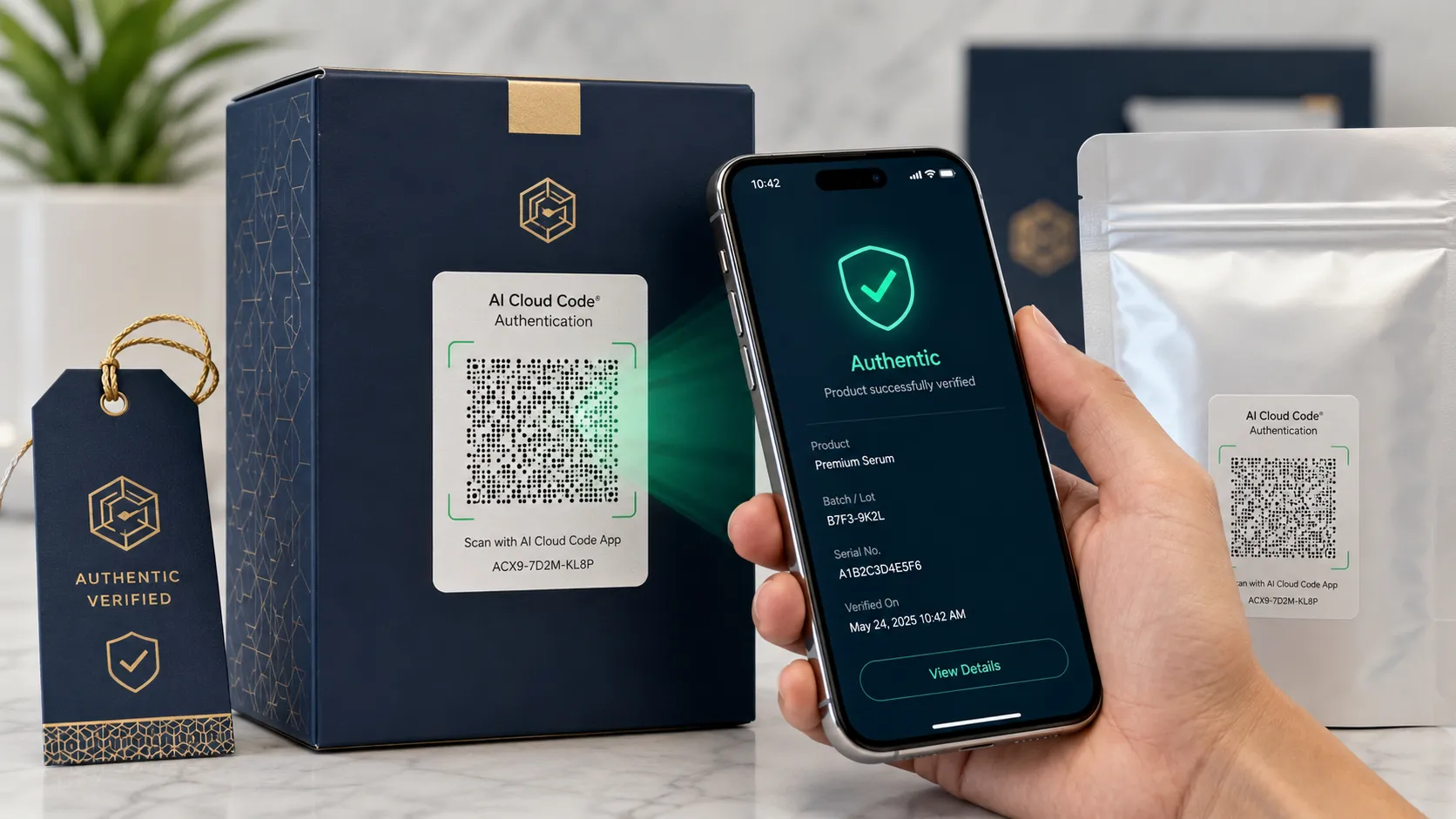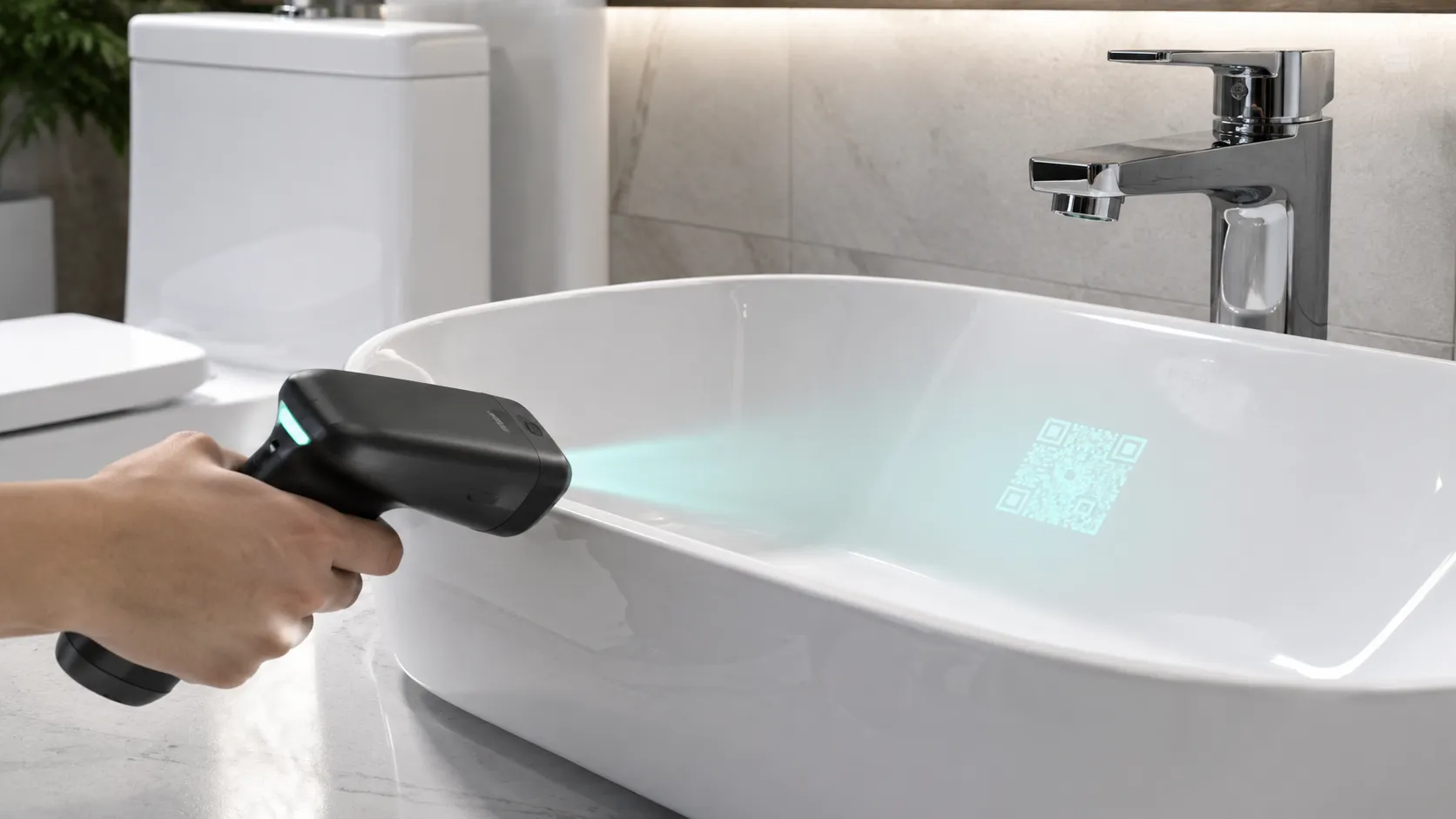
Material-level product authentication
Media-Free Anti-Counterfeit Technology for Rubber and Plastic Products
Media-free anti-counterfeit technology integrates hidden authentication material directly into rubber, plastic, shoe materials, toy components, apparel accessories, and other product substrates. Instead of adding a removable label or visible code, Mina’s approach gives B2B brands a covert identity layer inside the material itself.
Rubber, plastic, shoes and toys
Audio and image verification
Covert product-level evidence
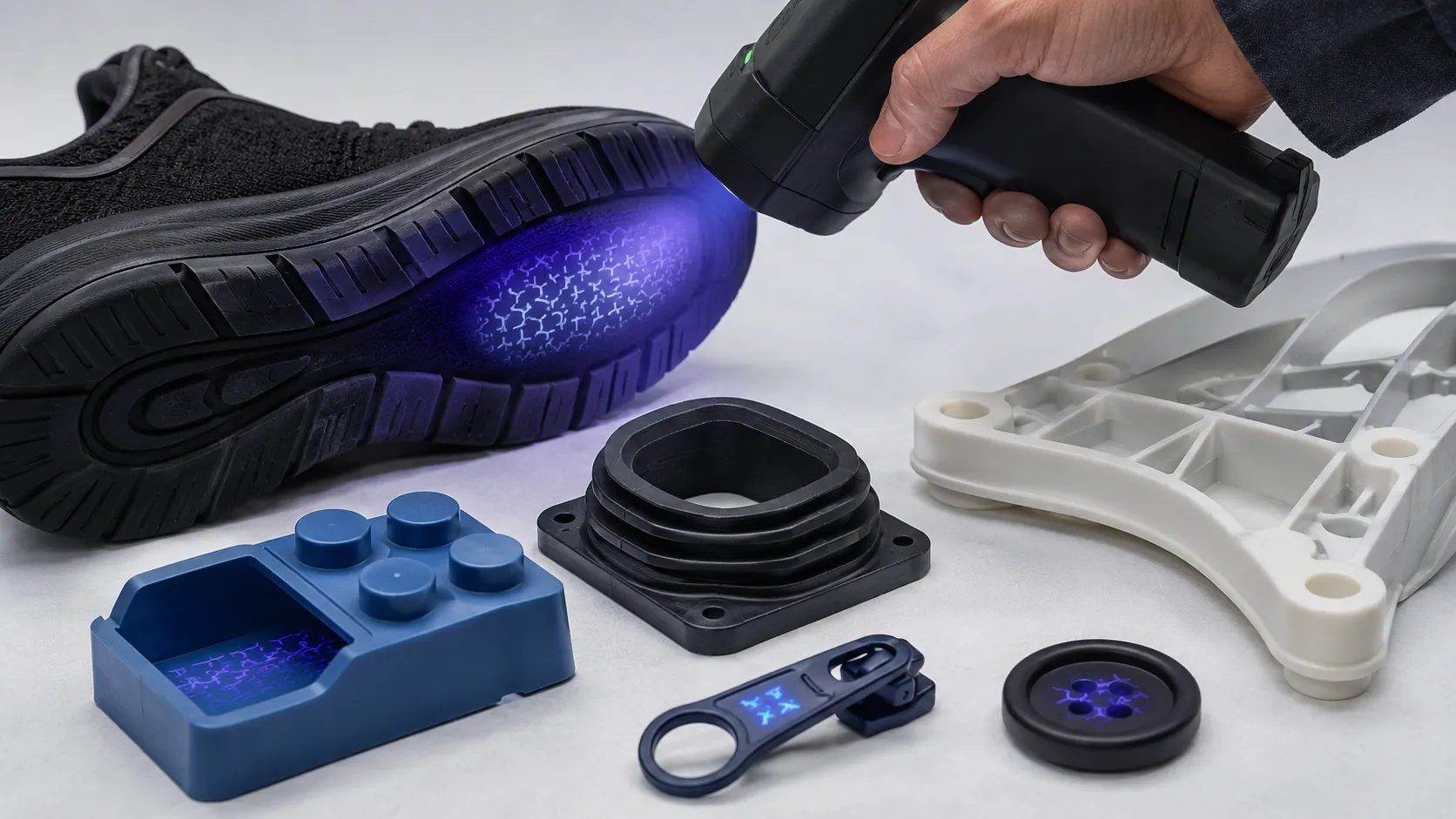
Covert material authentication helps rubber, plastic, footwear, toy, and accessory products carry hidden product-level evidence.
What it protects
Rubber, plastic, footwear, toys, buttons, zippers, apparel accessories, molded parts, and licensed product components.
Why it matters
Labels, hangtags, QR codes, stickers, and packaging can be removed, copied, photographed, or separated from the product.
How it works
The hidden authentication material is integrated directly into the product substrate or molded component during manufacturing.
Best use case
Brands that need product-level evidence after the package, label, tag, or sales receipt is gone.
Key takeaways for procurement teams
- The technology is product-level, not label-level. It is designed for rubber, plastic, footwear, toys, and accessories where labels can be removed or copied.
- Mina’s source profile states that invisible anti-counterfeiting material can integrate with shoe materials, rubber, and plastics without altering product design.
- Verification can use image equipment to display covert data and audio equipment to produce sound and vibration.
- Best-fit buyers include footwear brands, toy manufacturers, apparel accessory suppliers, licensed IP product makers, and plastic goods exporters.
- Procurement should validate material compatibility, molding conditions, color, mechanical performance, and inspection workflow before launch.
What does media-free anti-counterfeit technology mean?
Media-free anti-counterfeit technology means the authentication feature is integrated into the product material itself rather than carried by a separate medium such as a sticker, tag, printed label, hangtag, or external package. For rubber and plastic goods, this gives the brand a hidden identity feature that remains with the molded product.
This is especially important when the product surface is small, flexible, curved, textured, washable, or designed for long-term use. A label may not survive bending, abrasion, cleaning, outdoor use, or consumer handling. A tag can be cut away. A QR code can be photographed. Material-level authentication is harder to separate from the product because the identity sits inside the product structure.
Mina’s invisible anti-counterfeiting material that can integrate with shoe materials, rubber, and plastics without altering product design. It also shows applications for rubber, toys, apparel accessories, shoes, buttons, zippers, and plastic products.
Why rubber and plastic products need product-level evidence
Rubber and plastic product counterfeiting often attacks the product itself rather than only the packaging. Counterfeit soles, toy parts, branded accessories, molded components, buttons, zippers, protective covers, and replacement parts may be sold without original cartons. Once a package is discarded, a package-only security feature cannot help the brand prove authenticity.
The global counterfeit problem is large. The OECD and EUIPO reported that trade in fake goods reached USD 467 billion in 2021, equal to 2.3% of world imports. For footwear, toys, apparel accessories, and plastic goods, counterfeit risk can include safety issues, warranty fraud, distributor disputes, unauthorized overproduction, and IP licensing leakage.
Visible security features still matter, but they have limits. Holograms and QR labels are useful for retail packaging. RFID can support logistics. Serial numbers can support warranty. But if counterfeiters copy the visible feature or remove it from the product, the brand needs a second layer that is not obvious and not easy to transfer.
How Mina’s media-free anti-counterfeit material works
Mina’s media-free approach is based on material integration. The hidden anti-counterfeiting material is added to the product’s raw material or compatible carrier during manufacturing, so the finished product can be authenticated without adding a new visible design element. This is useful when brand appearance, product feel, color, or safety requirements cannot be changed.
The supplied profile describes two verification paths. With Mina image equipment, covert data can be displayed. With Mina audio equipment, the product emits sound and vibration during detection. This gives brand inspectors, licensing teams, or authorized distributors a controlled way to check suspect products in the field.
Procurement teams should treat the technology as both a security feature and a material change. The pilot must test color, opacity, hardness, tensile performance, abrasion, aging, molding temperature, injection pressure, curing, washing, and any safety requirements relevant to the product category.
Best-fit applications
Footwear and shoe materials
Outsoles, midsoles, heel pieces, rubber patches, logo components, and molded accessories can use material-level identity for brand protection and licensing control.
Toys and plastic parts
Branded toys, collectible figures, molded accessories, and replacement parts can be checked even when packaging has been discarded.
Apparel accessories
Buttons, zippers, patches, buckles, and trim pieces can carry covert evidence without changing the visible garment design.
Licensed IP products
Brands can use hidden material evidence when checking whether licensees, factories, or distributors produced unauthorized quantities.
How to specify the material authentication architecture
For procurement, the most important specification is where the security material sits in the manufacturing flow. Some products may need the covert material inside a polymer masterbatch. Others may need it in a rubber compound, a molded logo piece, a button resin, a zipper puller, or a specific color layer. The decision should be based on counterfeit behavior. If counterfeiters copy only the logo patch, protect the logo patch. If they copy the whole molded product, protect the base material or a hard-to-remove component.
The second specification is the inspection level. A factory quality team may need batch sampling during production. A brand-protection investigator may need field detection in a market raid. A licensing manager may need to identify whether a factory used approved materials. These users do not need the same workflow. Define the inspection user before choosing the detector quantity, training depth, and data report format.
The third specification is the sampling plan. A serious pilot should include at least five sample groups: approved material, blank material, copied visible mark, aged genuine sample, and suspect control sample. Each group should be tested before and after realistic exposure. For shoes, that can include flexing, abrasion, water, sweat, heat, and dirt. For toys, it can include cleaning, impact, saliva-simulation requirements where relevant, and colorfastness. For apparel accessories, it can include washing, friction, garment-finishing chemicals, and sewing stress.
Material authentication also needs lot control. If Mina material is used in one factory and one season, the procurement record should connect material batches to purchase orders, production dates, SKUs, and receiving warehouses. This turns the hidden feature into an evidence system. Without lot control, the brand may be able to say a part is genuine but may not know whether it was made for the correct order or market.
Finally, decide how the technology will be explained to suppliers. Procurement can disclose that the product contains restricted anti-counterfeit authentication, but it should not disclose the exact material formula, detection response, or inspection thresholds to every vendor. A split-access model works better: production teams receive handling requirements, quality teams receive sampling rules, and brand-protection teams receive the restricted verification procedure.
Media-free material vs labels, QR, NFC, RFID, taggants, and holograms
| Option | Best use | Main weakness | Procurement guidance |
|---|---|---|---|
| Security label | Retail packaging, warranty card, basic consumer verification | Can be removed, copied, or separated from the product | Use for packaging, but not as the only proof for molded goods |
| QR code | Consumer scan, campaign page, first-scan record | Visible code can be photographed or reprinted | Pair with a covert physical feature for high-risk products |
| NFC or RFID | Logistics, inventory, premium digital interaction | Tag placement, cost, and durability can be limiting | Use when electronic reading is worth the added component |
| Hologram | Visible retail trust cue | Visible imitation can still fool non-expert users | Useful as an overt layer, not a material proof |
| Forensic taggant | High-security laboratory or expert inspection | May require lab workflow or specialized chain of evidence | Good for legal cases, but specify field verification needs |
| Mina media-free material | Hidden authentication integrated into rubber, plastic, and shoe materials | Requires material compatibility testing and controlled detection workflow | Best when the product itself must carry covert identity |
Procurement checklist for rubber and plastic projects
- Product scope: define rubber, plastic, footwear, toy, accessory, button, zipper, or molded part.
- Threat model: identify counterfeiting, unauthorized production, warranty fraud, or licensee overproduction.
- Material formula: confirm base polymer, filler, pigment, plasticizer, curing agent, and processing temperature.
- Manufacturing process: test injection molding, extrusion, compression molding, vulcanization, or assembly conditions.
- Appearance: confirm color, gloss, opacity, texture, and brand design are not affected.
- Mechanical performance: test hardness, tensile strength, elasticity, abrasion, aging, and chemical exposure.
- Detection workflow: define who uses audio or image equipment and what result counts as genuine.
- Data link: decide whether the covert material connects to SKU, batch, factory, licensee, or market.
- Counterfeit controls: test copied parts, unlabeled parts, unauthorized material, and products with removed packaging.
- Confidentiality: control formula access, detector access, sample handling, and training materials.
Recommended pilot workflow
Start with material selection
Mina and the manufacturer should review the rubber or plastic formula, production temperature, color requirements, safety requirements, and product function.
Create controlled sample groups
Include genuine samples, blank samples, samples with copied visible marks, samples after abrasion, and counterfeit-like controls.
Run normal production and durability tests
Test molding, curing, cutting, assembly, storage, heat, humidity, bending, abrasion, washing, and chemical exposure.
Validate field inspection
A brand inspector should be able to check the product with Mina equipment, record the result, and link the finding to the right SKU or licensee.
Limitations and practical risks
Media-free anti-counterfeit technology should not be approved without material-specific testing. Rubber compounds, plastics, pigments, fillers, and processing conditions vary widely. A successful shoe-sole sample does not automatically prove compatibility with a toy part or zipper component.
The second risk is overexposure. The hidden material and detection method should remain restricted to authorized teams. If too many suppliers know the exact method, the security value declines.
The third risk is missing data. A hidden material can prove product authenticity, but anti-diversion and licensing control improve when each production batch is connected to orders, factories, and markets. Procurement should therefore ask for a simple evidence map before launch: material lot, production order, SKU, factory, receiving warehouse, and inspection result. That map is what helps a brand move from “this part is genuine” to “this part is genuine and belongs to this authorized production program.”
FAQ: media-free anti-counterfeit technology
What is media-free anti-counterfeit technology?
It is a hidden authentication method integrated into the product material itself rather than added through a removable label, tag, sticker, or package.
Which materials can it apply to?
Mina’s supplied profile mentions shoe materials, rubber, plastics, toys, apparel accessories, shoes, buttons, zippers, and plastic products as application areas.
Does it change the visible product design?
The supplied Mina profile states that the invisible anti-counterfeiting material can integrate with raw materials without altering product design. Buyers should still validate color and performance on real samples.
How is it verified?
Mina source materials describe image detection that displays covert data and audio detection that produces sound and vibration when the product is checked with dedicated equipment.
Is it better than QR labels?
It serves a different role. QR labels are useful for consumer scans, while media-free material helps the product itself carry hidden evidence after packaging or labels are gone.
What should procurement test first?
Test material compatibility, production conditions, appearance, mechanical performance, aging, cleaning, counterfeit controls, detector response, and the inspection workflow.
Sources and evidence used
Company-specific product facts come from Mina’s technology. Public sources below were used for market context and competitor benchmarking.
Next step for material authentication projects
If your rubber, plastic, footwear, toy, or accessory product needs hidden product-level authentication, prepare a brief with material formula, process temperature, product geometry, color requirements, threat model, and inspection audience. Mina can then evaluate a media-free anti-counterfeit pilot using your real production conditions.