Anti-Counterfeiting for Cosmetics Packaging
Anti-counterfeiting for cosmetics packaging is the integration of covert and overt authentication features into the boxes, tubes, bottles, jars, cartons, and labels used for beauty and personal care products. Counterfeit cosmetics are a consumer health hazard: they may contain toxic metals, banned chemicals, microbial contaminants, or uncontrolled concentrations of active ingredients. Authentication at the packaging level gives brands, regulators, and distributors the ability to verify product origin before the product reaches the consumer.
Risk: consumer health
Focus: packaging authentication
Key takeaways
- Counterfeit cosmetics are a health hazard, not just a brand problem. Laboratory analyses of seized counterfeit cosmetics have found mercury, lead, arsenic, bacterial contamination, and undisclosed allergens. Authentication protects consumers, not only revenue.
- Packaging is the primary authentication surface for cosmetics. Unlike industrial products that can be tested destructively, cosmetics must be verified non-destructively and before opening. The outer packaging, label, seal, and container are the available carriers.
- Mina’s technology integrates with existing cosmetics packaging including paper boxes, plastic containers, labels, and printed cartons without altering design or requiring additional components.
- Multi-market distribution amplifies the problem. Cosmetics travel through authorized distributors, grey-market channels, cross-border e-commerce, and social media marketplaces. Authentication must survive diverse distribution paths.
- Procurement should test for cosmetics-specific conditions: humidity, temperature variation, contact with oils and creams, retail shelf friction, and consumer handling patterns that differ from industrial products.
The scale of cosmetics counterfeiting
Cosmetics and personal care products are among the fastest-growing categories in counterfeit trade. The OECD and EUIPO reported in 2025 that global trade in counterfeit goods reached an estimated USD 467 billion in 2021, with perfumery and cosmetics representing a significant and growing share. The European Union Intellectual Property Office has specifically identified cosmetics as a high-risk category in its sector-specific studies.
The problem is concentrated in markets with high demand for international beauty brands and limited enforcement capacity. Southeast Asia, the Middle East, West Africa, and parts of Latin America are prominent hot spots, but counterfeit cosmetics have been seized in every major market including the United States, European Union, Japan, and South Korea. Online marketplaces and social media commerce platforms have expanded the reach of counterfeit sellers, making geography less of a barrier.
For brand owners, the damage extends beyond lost sales. A consumer who suffers a skin reaction, allergic episode, or worse from a counterfeit product associates the harm with the genuine brand. Regulatory agencies may investigate the brand. Retailers may restrict distribution. The reputational cost of a single counterfeit-related health incident can exceed years of direct counterfeiting losses.
Health risks: why cosmetics counterfeiting is a consumer safety issue
Counterfeit cosmetics are not simply inferior versions of genuine products. They are unregulated formulations produced without quality control, ingredient verification, or safety testing. Published analyses of seized counterfeit cosmetics have documented a range of hazardous findings.
The U.S. Food and Drug Administration has issued multiple warnings about counterfeit cosmetics containing dangerous levels of mercury. Interpol’s Operation Pangea and similar enforcement operations regularly seize counterfeit cosmetics alongside counterfeit pharmaceuticals, treating them as comparable public health threats.
Packaging touchpoints for cosmetics authentication
Every cosmetics package has multiple components that can serve as authentication carriers. The choice of carrier depends on the product format, distribution risk, and verification workflow.
Outer carton or box
The printed folding carton is the most common authentication surface for cosmetics. Mina’s ultra-invisible technology can be integrated during the box printing process. Authentication survives retail display, consumer handling, and distributor warehousing. Detection is performed on the sealed, unopened package.
Product label
For products without outer cartons (tubes, pump bottles, jars), the product label is the primary carrier. Authentication is integrated into the label during printing. The label must withstand moisture, oil contact, and handling throughout the product lifecycle.
Plastic container
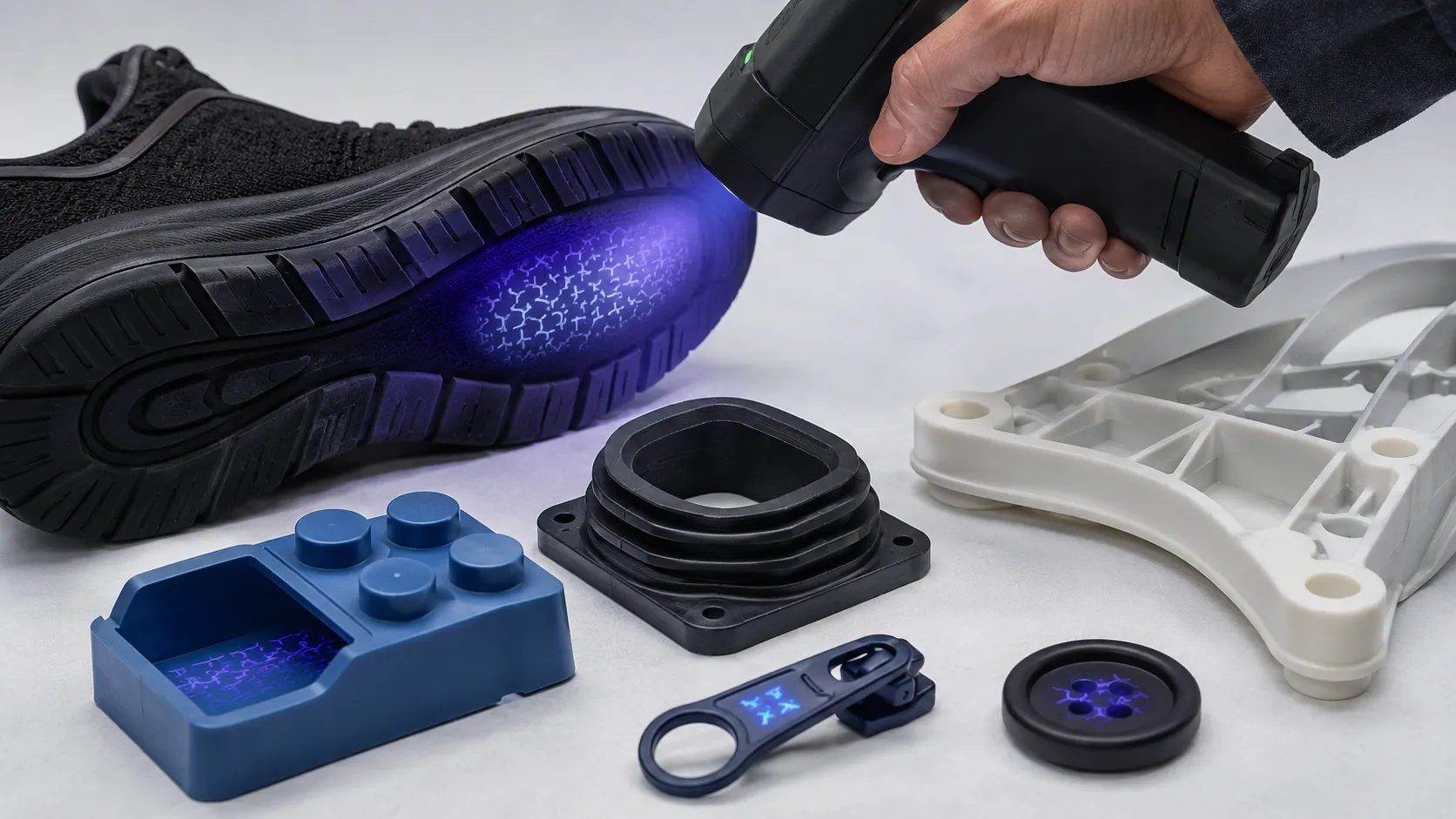
For jars, tubes, and bottles made from plastic, anti-counterfeiting masterbatch can be mixed into the container resin during injection molding or blow molding. The authentication becomes part of the container itself, inseparable without destruction.
Tamper-evident seal or shrink band
Shrink bands, seal labels, and closure seals can carry authentication that is destroyed when the consumer opens the product. This serves pre-sale verification while providing tamper evidence. Combined with container-level authentication, it creates a two-layer system.
Mina’s ultra-invisible anti-counterfeiting technology can be integrated into paper packaging, plastic packaging, and labels while preserving the original design. For cosmetics, this helps brands add a hidden verification layer without compromising packaging aesthetics, color accuracy, or finish quality.
How covert packaging authentication works for cosmetics
The operational workflow for cosmetics packaging authentication follows the general Mina authentication model but is adapted for the cosmetics supply chain.
For cosmetics packaging, ultra-invisible anti-counterfeiting information can be integrated into the packaging substrate, label, or container material during normal production. Cartons and labels can carry the information through printing, while containers can incorporate it during molding. The hidden authentication layer remains invisible under normal light, UV light, and IR light.
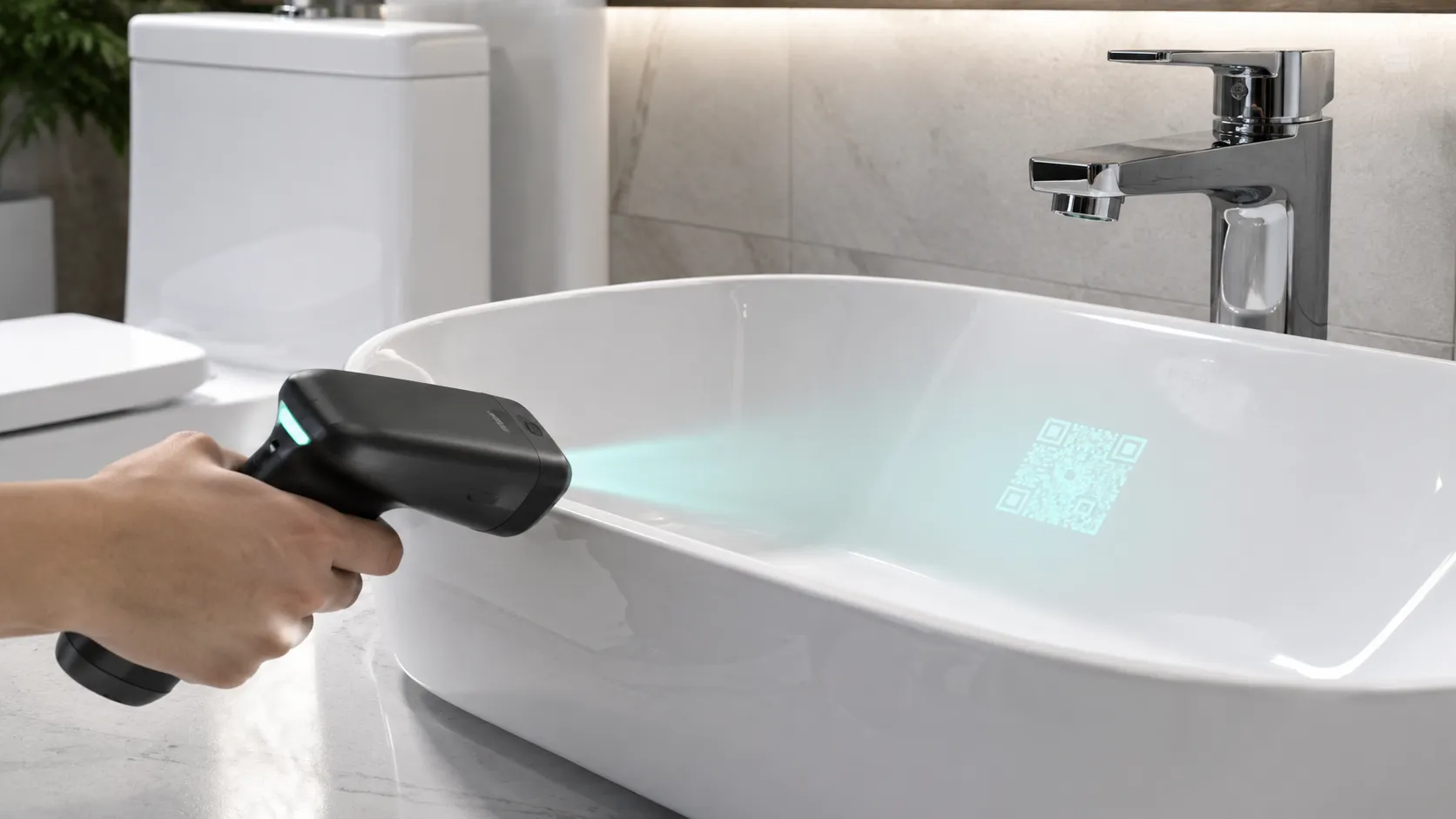
At the distribution level, brand protection teams conduct market audits using Mina’s proprietary detection devices. Each device has a unique identification number and is distributed only to authorized personnel. During a market sweep, the auditor scans the outer packaging or label with the detection device. Genuine packages produce a sound and vibration response or display hidden visual information. Counterfeit packages, which lack the integrated authentication material, produce no response.
This binary result creates an efficient audit workflow. An inspector can scan dozens of products per hour across retail locations, online marketplace purchases, or wholesale inventory checks. The result does not require laboratory analysis, internet connectivity, or cooperation from the seller. It is immediate, portable, and definitive at the screening level.
For high-value products or legal enforcement actions, the image detection mode can be used to capture visual evidence of the hidden information. This creates a documented record that supports seizure orders, civil claims, or regulatory complaints.
Regulatory and compliance considerations
Cosmetics regulation varies significantly by market, but authentication intersects with regulatory requirements in several ways.
In the European Union, Regulation (EC) No 1223/2009 establishes requirements for cosmetics safety, labeling, and responsible person accountability. While the regulation does not mandate specific anti-counterfeiting features, it holds the responsible person liable for products placed on the market under their name. Counterfeit products carrying a brand’s name create regulatory exposure for the brand even though the brand did not manufacture or authorize the product. Authentication provides documented evidence of unauthorized distribution.
In the United States, the FDA regulates cosmetics under the Federal Food, Drug, and Cosmetic Act. The Modernization of Cosmetics Regulation Act (MoCRA) of 2022 strengthened FDA authority over cosmetics safety, including facility registration and adverse event reporting requirements. Counterfeit cosmetics that cause adverse events generate FDA reports associated with the brand name.
In ASEAN markets, China, and the Middle East, cosmetics registration and import licensing requirements create additional touchpoints where authentication can support legitimate product identification and help enforcement agencies distinguish genuine registered products from unregistered counterfeits.
Authentication does not replace regulatory compliance, but it provides a practical tool for demonstrating supply chain control, supporting customs enforcement, and protecting the brand’s regulatory standing against damage from counterfeit product incidents.
Technology comparison for cosmetics authentication
| Method | Applied to | Consumer-facing? | Counterfeiter difficulty | Best use in cosmetics |
|---|---|---|---|---|
| Ultra-invisible covert (Mina) | Carton, label, container | No (enterprise verification) | Very high | Brand audit, customs, distributor verification |
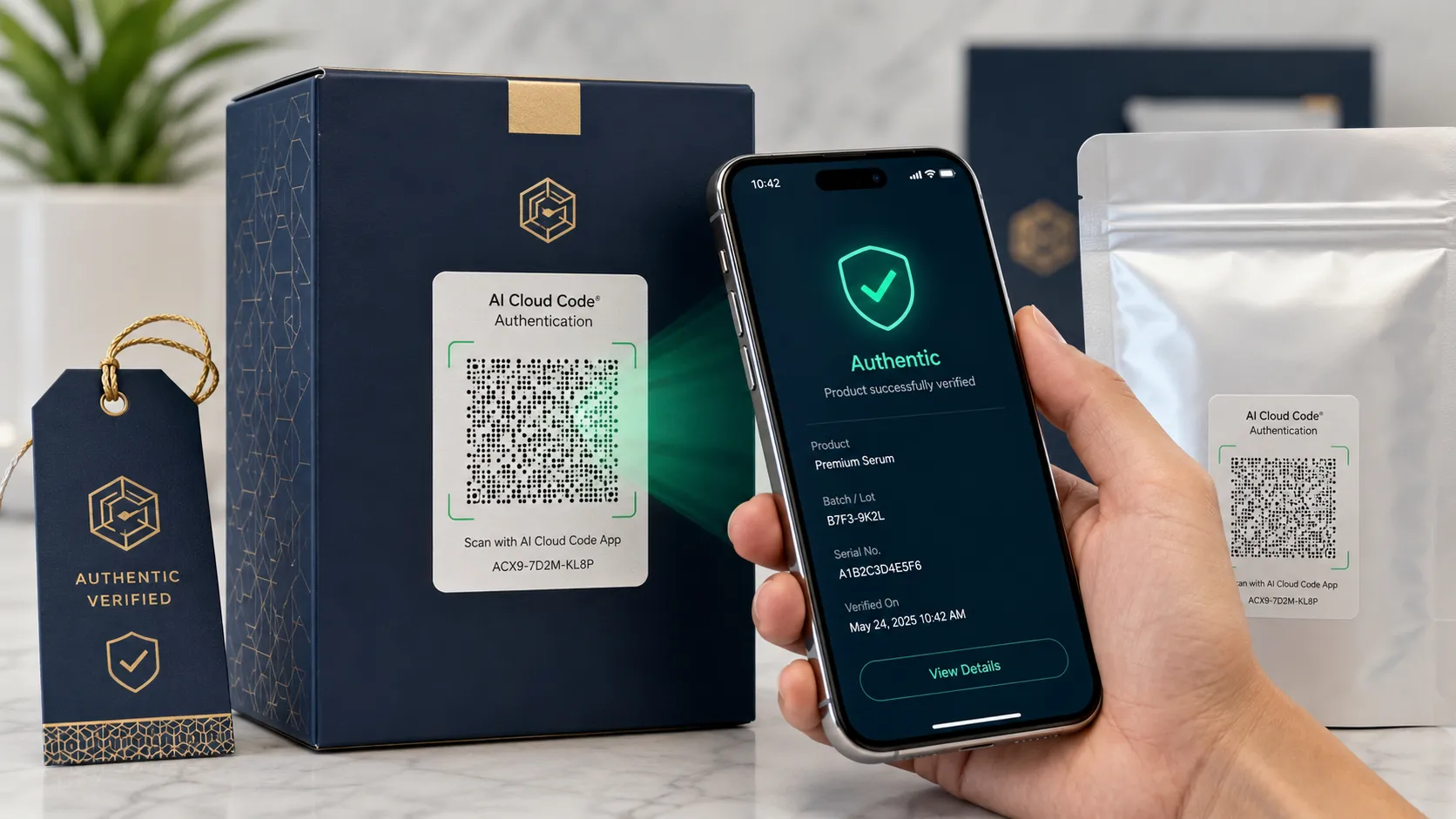
| QR code with cloud lookup | Carton, label | Yes | Low (code easily copied) | Consumer engagement, marketing, first-scan tracking |
| NFC tag | Packaging, closure | Yes | Medium | Luxury cosmetics, digital experience, ownership record |
| Holographic seal | Carton, closure | Yes | Medium | Visible trust cue at retail, quick visual check |
| Tamper-evident band | Bottle neck, jar lid | Yes | Low to medium | Opening detection, not origin authentication |
| Masterbatch in container | Plastic bottle, jar, tube | No (enterprise verification) | Very high | Container-level origin proof surviving product lifecycle |
For most cosmetics brands, the practical approach combines a consumer-facing element (QR code for engagement and first-scan tracking) with a covert enterprise element (ultra-invisible authentication for brand audit and enforcement). The covert layer catches the counterfeits that successfully replicate the visible consumer-facing features.
Procurement guide for cosmetics packaging authentication
- Map the counterfeiting threat by product line and market. High-value skincare, prestige fragrances, and trending color cosmetics face the highest risk. Commodity body care may not justify the investment unless health incidents have already occurred.
- Select the packaging carrier. Outer carton authentication is the minimum for boxed products. Add label or container authentication for unboxed products. Consider masterbatch for refillable or premium containers that stay with the consumer.
- Test cosmetics-specific durability. Request authentication signal retention after exposure to humidity (tropical warehouse storage), oil and cream contact (product leakage scenarios), retail shelf friction, and temperature cycling. Cosmetics supply chains in hot climates are particularly demanding.
- Integrate with existing packaging production. Confirm that the authentication step fits into the carton printing, label converting, or container molding workflow without requiring separate production lines or significant speed reductions.
- Plan the market audit workflow. Define which markets, channels, and product lines will be audited. Allocate detection devices to brand protection teams, customs partners, and authorized market auditors. Track device custody with unique device numbers.
- Coordinate with regulatory submissions. If packaging changes affect cosmetics registration files (artwork, labeling, materials), update regulatory submissions as required. Authentication integration that preserves the existing design minimizes regulatory impact.
- Pilot on a high-risk SKU first. Start with one or two product lines that face the most counterfeiting pressure. Measure audit efficiency, detection reliability, and supply chain impact before expanding.
Limitations and risk factors
- Authentication verifies packaging origin, not product contents. A genuine package can be refilled with a counterfeit formulation if the tamper seal is compromised. Pair packaging authentication with tamper-evident closures and serial tracking to address refilling risk.
- Online marketplace verification is harder. Products sold through third-party e-commerce platforms may not allow physical inspection before purchase. Authentication is most effective when combined with authorized seller programs and marketplace takedown procedures.
- Covert authentication is enterprise-only. Consumers cannot self-verify with Mina’s proprietary detection equipment. For consumer-facing assurance, pair covert authentication with a visible element such as a QR code or holographic seal.
- Packaging redesigns require re-integration. When a brand refreshes packaging artwork, materials, or structure, the authentication integration must be re-validated. Plan authentication as a standard packaging specification, not a one-time addition.
- Cost varies by carrier and volume. Container-level masterbatch authentication is more expensive per unit than carton-level printed integration. Evaluate cost-per-SKU against the brand’s risk exposure and enforcement budget.
FAQ: anti-counterfeiting for cosmetics packaging
What is anti-counterfeiting for cosmetics packaging?
It is the integration of authentication technology into cosmetics packaging components such as cartons, labels, containers, and seals so that brand protection teams, regulators, and distributors can verify whether a product is genuine before it reaches the consumer.
Why are counterfeit cosmetics dangerous?
Counterfeit cosmetics may contain toxic metals such as mercury and lead, microbial contaminants, banned chemicals, and undisclosed allergens. They are manufactured without quality control or safety testing, creating direct health risks for consumers.
Which packaging component is best for authentication?
For boxed products, the outer carton is the most practical and cost-effective carrier. For unboxed products (tubes, pump bottles), the product label is the primary option. For premium or refillable products, container-level masterbatch provides the most durable authentication.
Can consumers verify authenticity themselves?
Covert authentication with proprietary detection equipment is designed for enterprise verification. For consumer-facing assurance, brands typically add a visible element such as a QR code, holographic seal, or batch-lookup feature alongside the covert layer.
Does the authentication change the packaging appearance?
No. Mina’s ultra-invisible technology integrates with packaging without altering the visual design, color, finish, or tactile quality. This is particularly important for cosmetics where packaging aesthetics directly affect consumer perception and brand positioning.
What should procurement test before launch?
Test authentication signal durability under humidity, temperature, oil contact, and retail handling conditions. Verify production line compatibility, detection device reliability across sample sizes, and compliance of authentication materials with cosmetics packaging regulations in target markets.
Sources
Mina product information is sourced from the company’s official profile documents. External sources provide industry and regulatory context.
Secure your cosmetics packaging
If your beauty or personal care brand faces counterfeiting in any market or channel, prepare a brief with your product formats, packaging types, high-risk markets, distribution channels, and audit capabilities. Mina can evaluate authentication integration options for your packaging production workflow.
Contact Mina Anti-counterfeiting Technology for cosmetics packaging consultation